
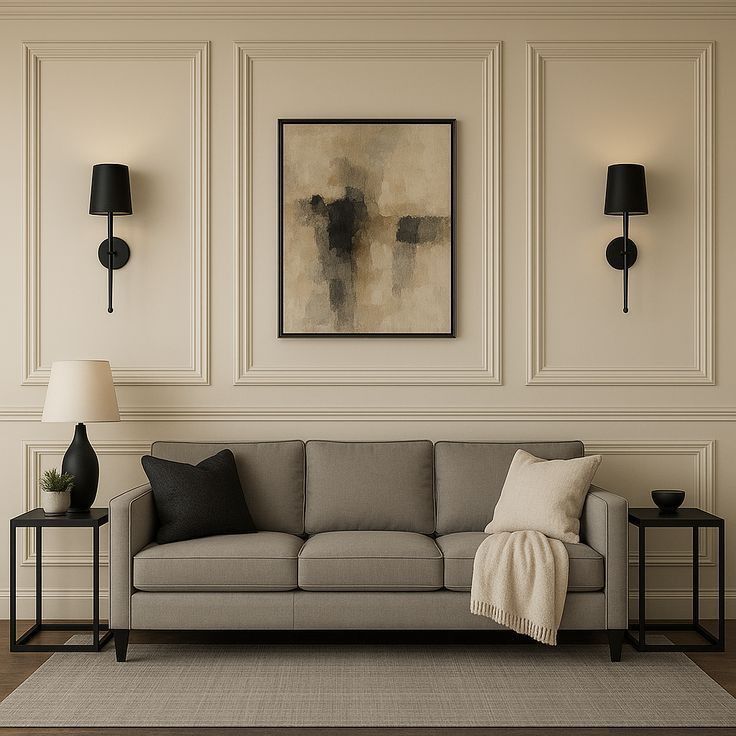
1. Consider the Room’s Purpose
The function of a room plays a major role in color selection. Calm and neutral shades work well in bedrooms and offices, while vibrant colors are ideal for living areas and creative spaces. Choosing colors that suit the room’s purpose helps create the desired mood and atmosphere.
2. Evaluate Lighting Conditions
Natural and artificial lighting affects how colors appear on walls. Rooms with plenty of sunlight may handle darker tones, while dimly lit spaces benefit from lighter shades to create openness. Testing samples under different lighting ensures the color looks perfect at all times.
3. Coordinate with Existing Décor
Consider your furniture, flooring, and décor when selecting paint colors. Harmonizing with existing elements ensures a cohesive and balanced look. Accent walls or complementary shades can also be used to highlight key features of the space.
4. Test and Visualize Before Finalizing
Always test paint samples on a small section of the wall before committing. Visualizing the color in the actual space helps you see how it interacts with light and furnishings, reducing the risk of choosing a color that doesn’t work.